Published January 15, 2025
Winter in the BeeValley Apiary
Winter in the BeeValley apiary is a time of special care for the bees, proper feeding, protecting the hives and preparing for the new season.
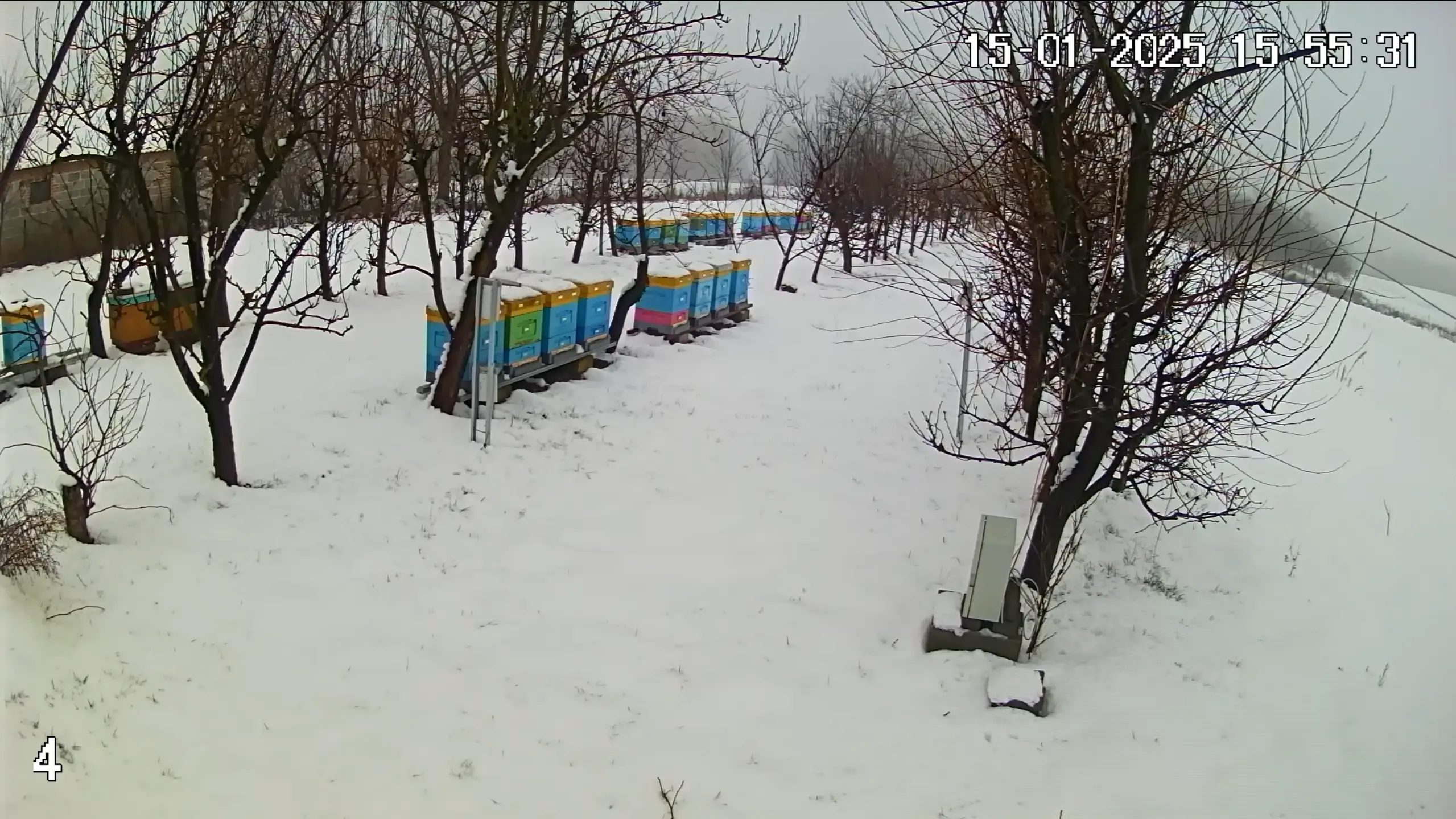
In winter, bees not only rest after an intense season, but also prepare for spring development. However, these months can be difficult for bees, so proper care is essential for the survival of the bee colony and a strong start to the new season.
At the BeeValley apiary, winter is a time of careful observation, looking after food stores and protecting the hives from harsh weather conditions.
How do bees cope with low temperatures?
In winter, bees form what is known as a winter cluster – a tight group of insects that maintains the right temperature inside the hive.
Through the vibrations of their wings and bodies, the bees warm one another, keeping the cluster temperature at around 20–30°C, even on very frosty days.
For this to be possible, they need sufficient energy stores in the form of honey or specially prepared food.
Why is winter feeding important?
Although bees store honey for winter, the amount of food is not always sufficient.
Long periods of frost, lack of access to water and the high energy demand needed to heat the hive can mean that bees require additional support.
At BeeValley, we make sure that no bee colony is left without enough stores.
Types of winter food at BeeValley
In our apiary, we use various forms of winter feeding, adjusted to the needs of the bees:
- Sugar syrup – given in autumn to replenish shortages in honey stores.
- Sugar and pollen patties – used in winter and early spring when an additional source of energy and protein is needed.
- Specialist nutritional mixtures – enriched with vitamins and minerals to support bee health in difficult winter conditions.
How do we protect hives in winter?
Winter is not only a challenge because of food stores, but also because of weather conditions. At BeeValley, we use a range of protections that help bees safely get through this period:
- Hive insulation – the hives are made of polystyrene, which helps maintain the right internal temperature and minimise heat loss.
- Windbreaks, trees and plants – they protect the hives from strong gusts of wind that could disturb the bees’ peace.
- Monitoring bee colonies – we regularly check food stores and the condition of the bees so that we can react quickly when needed.
Do bees fly in winter?
In winter, bees mainly remain inside the hive, but on warmer days they may take so-called cleansing flights.
This natural behaviour allows them to get rid of waste products accumulated in their bodies.
To make sure the bees can do this safely, we place the hives in sheltered, sunny spots protected from cold winds.
Summary
Winter in the BeeValley apiary is a time of increased care for the health and comfort of our bees.
Thanks to proper feeding, hive protection and constant monitoring of the condition of our bee colonies, we help our bees survive the difficult winter period.
Caring for bees in winter is an investment in their health and strength, which translates into the quality of honey in the following season.
At BeeValley, bees always come first!